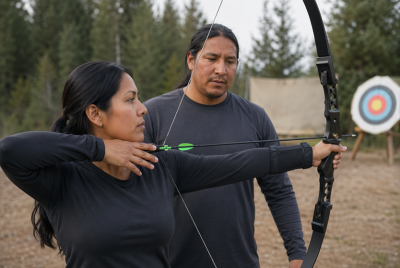
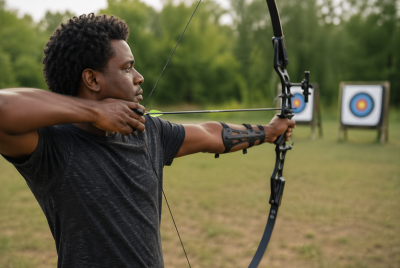
For your first archery session, bring simple, comfortable clothing, closed-toe shoes, water, and a willingness to…
A Simple Archery Setup Checklist For Beginners
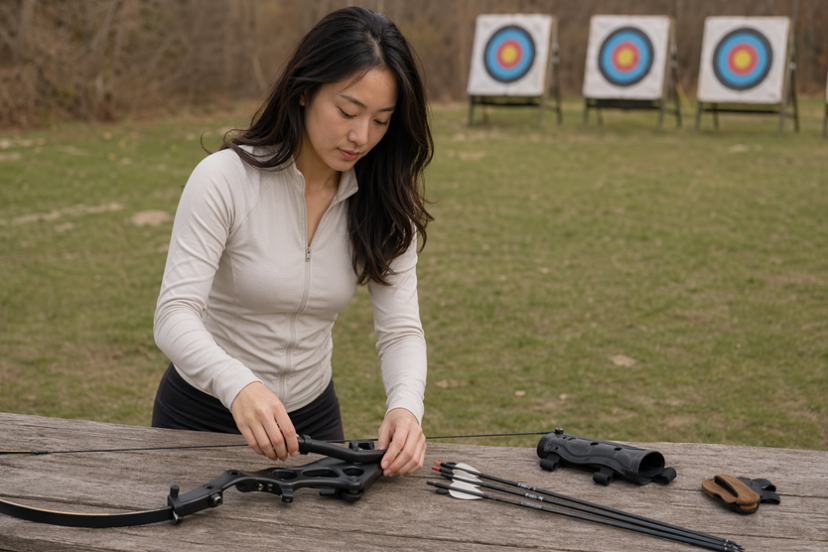
A simple archery setup checklist for beginners should help you confirm that your gear is safe, basic fit is reasonable, and your shooting environment is organized before you start. It is not about building a perfect setup or owning advanced equipment. It is about removing obvious problems early so your first sessions feel calmer, safer, and easier to repeat.
For many beginners, “setup” feels more confusing than expected. You may have a bow, arrows, a target, and a place to shoot, but still feel unsure whether everything is actually ready. That uncertainty matters because small setup issues can create avoidable safety problems, inconsistent shooting, and early frustration that has nothing to do with your actual potential.
A beginner checklist helps by narrowing your attention to the few things that matter most at the start: safe equipment, matched basics, a clear shooting space, and a repeatable routine.
What a beginner setup checklist is really for
A beginner checklist is not there to make archery feel complicated. It is there to reduce mental clutter.
When new archers feel overwhelmed, they often assume they need more gear knowledge before they can practice. In reality, most of them need something simpler: a way to confirm that the basics are covered so they can stop second-guessing everything.
A good setup check helps you answer a few practical questions:
- Is my equipment safe to use right now?
- Are my arrows and bow reasonably matched for beginner practice?
- Is my shooting area organized and safe?
- Do I have the basic accessories and protection I need?
- Am I starting from a calm, repeatable place instead of a rushed one?
That is enough for a beginner session. You do not need a tournament-level system to begin well.
What this usually feels like in real practice
A lot of beginners do not feel confused because archery is impossible. They feel confused because several small uncertainties pile up at once.
You may wonder whether your arrows are correct for the bow. You may not be sure whether your armguard is necessary. You may notice your gear bag feels incomplete, even if you cannot say why. You may keep thinking there is one missing purchase that will suddenly make everything feel organized.
Usually, that is not the real issue.
The real issue is lack of orientation. When you have no simple way to check your setup, every session starts with doubt. That doubt can make you rush, skip basics, or focus on the wrong thing.
A simple checklist gives you a stable starting point. It does not solve every technical question, but it prevents the most common beginner drift.
The essentials matter more than a “perfect” setup
Beginners often overestimate how refined their equipment needs to be.
At the start, the most important setup goal is not optimization. It is suitability. Your bow should be appropriate for your current strength and experience. Your arrows should be appropriate for that bow. Your shooting area should be safe and predictable. Your accessories should support clean, distraction-free practice.
That is a very different goal than chasing ideal performance.
This matters because beginners sometimes make setup harder by trying to solve advanced problems too early. They compare accessories, obsess over upgrades, or assume inconsistency means their gear is failing them. Often, the bigger issue is that they have not yet built a simple, repeatable pre-practice check.
A steady beginner setup is usually quiet and uncomplicated.
A simple beginner setup checklist
Before you shoot, make sure these basics are covered:
Your bow looks safe and intact
Check for anything obviously damaged, loose, cracked, or worn. Nothing should look questionable, improvised, or half-secured.
If anything seems off, stop there. A setup checklist is not just about readiness. It is also about knowing when not to shoot.
Your arrows match the bow well enough for beginner use
Your arrows should be appropriate for your bow type and draw range, not just close enough by guesswork. A beginner does not need to become an arrow expert immediately, but using random arrows or mixed arrows creates confusion fast.
If you are unsure whether your arrows are suitable, that is a good place to get help from a coach or pro shop rather than trying to force certainty.
Your shooting space is clear and controlled
Make sure the target is stable, the shooting lane is clear, and the space behind and around the target is appropriate for safe shooting. A range or structured practice area is best.
This part of setup is easy to underestimate because it is not “gear,” but it affects everything. A calm shooting space helps you slow down, focus, and build better habits.
Your basic protective and support items are ready
For many beginners, that means the essentials are simple: the bow, arrows, a tab or release if appropriate for the style, and protective gear such as an armguard when needed.
The point is not to add clutter. The point is to remove avoidable distractions and discomfort.
Your practice start feels organized, not rushed
This is the piece many people skip. A setup is not only physical. It is also procedural.
If you begin practice while flustered, searching through gear, or improvising each session, your shooting often feels less consistent before the first arrow is even drawn. A checklist helps turn setup into a repeatable habit instead of a fresh scramble every time.
Why setup affects more than safety
Most beginners understand that setup affects safety. Fewer realize how much it also affects confidence and consistency.
When your equipment and environment are settled, your attention has somewhere useful to go. You can notice your stance, posture, bow hand, or release habits with less noise in the background.
When your setup is messy, your mind gets pulled in too many directions. You start asking basic equipment questions in the middle of practice. You become less aware of form. You may even blame yourself for inconsistency that actually began before the shot.
That is one of the most helpful beginner reframes: not every bad session is a form problem. Sometimes it is a setup problem.
The most common misunderstandings that make beginner setup harder
Thinking more gear creates more readiness
New archers sometimes believe that feeling unprepared means they need to buy more equipment. Sometimes they do need one or two practical items. But often they need fewer variables, not more.
A simple, usable setup beats a crowded, confusing one.
Treating setup like a one-time task
Beginners sometimes think setup only matters on the day they buy the bow. But setup is not a one-time event. It is a recurring check.
Even a basic routine matters because it keeps small issues from turning into distracting patterns.
Guessing instead of confirming
There is a difference between not knowing yet and pretending something is probably fine. If your bow fit, arrow match, or shooting space is uncertain, guessing tends to create more confusion later.
Beginners do not need to know everything, but they do need to respect unclear areas enough to pause and verify them.
Rushing because the “real” practice is shooting
A lot of people think setup is separate from practice, as if it is just a delay before the important part starts. In reality, setup is part of practice because it shapes the quality of everything that follows.
A disorganized start often produces a disorganized session.
A helpful way to think about your first setup
A beginner setup does not need to be impressive. It needs to be dependable.
That distinction matters. Dependable means your gear is appropriate, your space is controlled, and your routine helps you begin without confusion. That kind of setup supports learning. It gives you a stable base to build from.
Impressive setups can come later if they are ever needed. Early on, quiet consistency is more valuable than complexity.
This is also why beginners benefit from keeping their attention on safe basics rather than chasing technical perfection. You are not trying to build your final archery system on day one. You are trying to create a clear enough starting point that you can practice with less uncertainty.
When to get hands-on help
A checklist is useful, but it is not a replacement for qualified instruction when basic fit or safety questions are unclear.
If you are unsure about draw weight, arrow match, bow condition, or safe range setup, it is smart to ask a coach, instructor, or reputable pro shop for help. That kind of guidance can prevent mistakes that are hard for a beginner to spot alone.
There is no weakness in that. It is part of learning responsibly.
A calmer way to begin
A simple archery setup checklist does not make you advanced. It makes you more oriented.
That is what most beginners actually need. Not more pressure, not more gear obsession, and not a perfect answer to every equipment question. Just a clear way to confirm that the basics are in place before practice begins.
When your setup is safe, simple, and repeatable, archery becomes easier to understand. You can focus on learning instead of guessing. You can notice more, rush less, and build confidence from something steady rather than from hope.
That is a strong way to start.

More to Explore