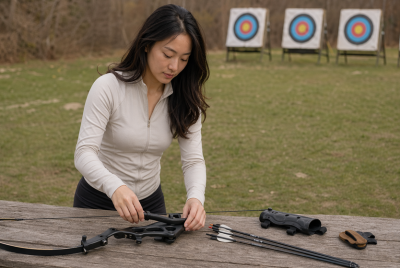
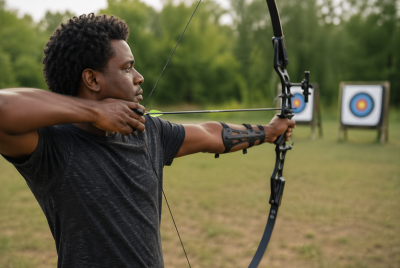
A simple archery setup checklist for beginners should help you confirm that your gear is safe,…
What To Bring To Your First Archery Session
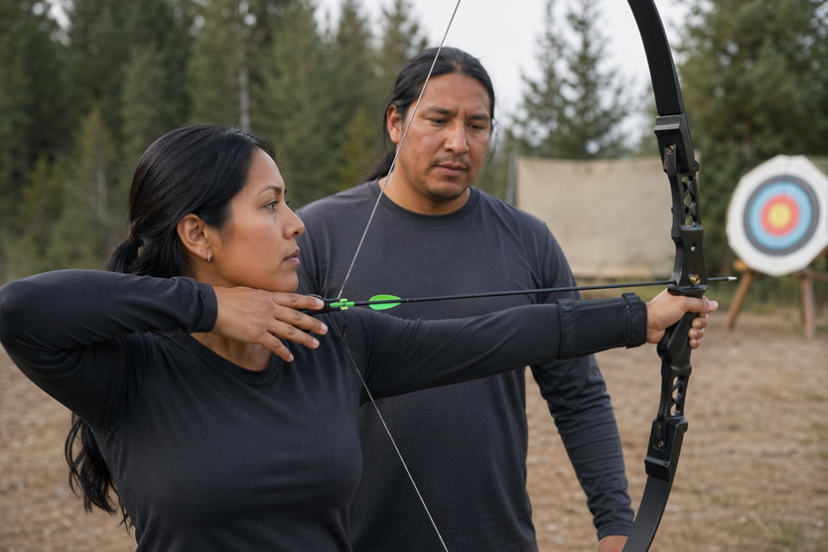
For your first archery session, bring simple, comfortable clothing, closed-toe shoes, water, and a willingness to learn. In most cases, the bow, arrows, and range-specific equipment should be provided or explained by the range, club, coach, or lesson program. Your job is not to show up with a pile of gear. Your job is to show up ready to move safely, listen carefully, and build good habits from the start.
That is often reassuring to hear, because many beginners assume their first session will feel like a test of how prepared they look. In reality, the first session is usually about getting familiar with the environment, learning basic safety expectations, and understanding what a normal shot process feels like. Bringing the right basics helps you stay comfortable and focused, which matters much more than trying to arrive with advanced equipment you do not yet know how to use.
Your first session is more about readiness than gear
A first archery session usually feels a little uncertain before it starts. You may wonder whether you are supposed to bring your own bow, whether you need finger tabs or arm guards already picked out, or whether experienced archers will expect you to know the language of the sport.
Most of that worry is unnecessary.
At the beginner stage, the most important things you can bring are items that help you stay safe, comfortable, and teachable. If a coach or range has not specifically told you to bring your own equipment, it is usually better not to guess. Beginner sessions are often designed to introduce equipment in a controlled way, with draw weight, fit, and safety handled by someone more experienced.
That matters because archery is one of those activities where using the wrong equipment too early can create confusion faster than confidence. A beginner who shows up in comfortable clothes and pays attention is often better positioned than someone who arrives with mismatched gear and a lot of assumptions.
Wear clothes that stay out of the way
Clothing matters more than many beginners expect, but not for fashion reasons. It matters because loose, bulky, or awkward clothing can interfere with string clearance and distract you during shooting.
A good choice is a comfortable top that is not baggy through the chest, shoulder, or sleeve area. You want enough freedom to move, but not so much loose fabric that it catches or brushes the bowstring. Closed-toe shoes are also important. You will likely be standing on a shooting line, moving in shared range space, and handling equipment in an environment where stable footing matters.
This is one of the first places beginners get slightly off track. They sometimes assume athletic performance clothing is required, or that any casual outfit will do. The better standard is simpler: wear something you can move in that will not get in the way.
If you have long hair, tie it back. If you wear jewelry that hangs or swings, keep it minimal. Small details like that can reduce distraction and help your first session feel calmer.
Bring water, patience, and attention
It may sound almost too basic, but water is genuinely useful for a first session. Even a beginner lesson can take more focus than expected. Archery is not just about strength. It asks for attention, body awareness, and patience, and that mental load can be tiring when everything is new.
Bringing patience matters just as much. Your first session is not supposed to feel polished. It is supposed to help you learn where to stand, how to follow commands, how to handle the bow safely, and what a repeatable shot begins to feel like. If you show up expecting immediate precision, you can end up tense and discouraged over very normal beginner mistakes.
A better mindset is to bring curiosity instead of pressure. That shift alone helps many people settle into the experience faster.
You usually do not need to buy equipment first
One of the most common misunderstandings around first-time archery is the idea that serious beginners should arrive with their own bow and accessories. In most cases, that is not helpful.
A first session is usually too early to know what draw weight fits you, what style of shooting you prefer, what type of release or finger protection makes sense, or what bow setup matches your goals. Buying gear before you understand those basics can lead to wasted money and bad habits.
This does not mean gear is unimportant. It means gear should support learning, not replace it.
If the range or instructor has a specific list of required items, follow that list. But if no list was provided, it is usually safest to assume that the foundational equipment will be handled during the lesson or introductory session.
A few small items can still make the day easier
Even though you usually do not need to bring major equipment, a few small practical items can help your first session go more smoothly.
Water is useful. A light snack can help if the session is longer. A notebook or phone note can be useful afterward if you want to remember a few coach cues, but it should not distract from instruction. If you are outdoors, weather-appropriate layers, sunscreen, or a hat may matter, as long as they do not interfere with shooting form or visibility.
The principle is simple: bring things that support comfort and attention, not things that complicate the session.
That distinction helps beginners avoid a common trap. Many people think preparation means bringing more. In archery, better preparation often means bringing less and noticing more.
The real reason this matters
What you bring to your first archery session affects more than convenience. It affects how steady and teachable you feel in the first few minutes, and those first few minutes matter.
If your clothes are awkward, you may spend the session adjusting fabric instead of listening. If your shoes are unstable, you may feel less grounded at the line. If you bring gear you do not understand, your attention may drift toward equipment problems instead of safety and form basics.
A calm first session creates better conditions for learning. That is especially important in archery because beginners are not just learning where to aim. They are learning how to move safely around equipment, how to follow range commands, how to manage the bow under supervision, and how to build consistent habits before speed or performance enters the picture.
That is why simple preparation is not a minor detail. It supports the quality of the whole experience.
What beginners often get wrong before they even arrive
A first pattern is over-preparing in the wrong direction. Some people bring too much gear, too many online tips, or too many expectations about how quickly they should improve. That can make the session feel more crowded mentally than it needs to be.
A second pattern is underestimating the importance of the setting itself. A range is not just a backdrop. It is a controlled environment with rules, rhythms, and shared safety expectations. Showing up ready to observe and follow instruction is part of being prepared.
A third pattern is assuming the goal is to look competent. It is not. The goal is to learn safely and begin building repeatable habits. Beginners often relax once they realize the session is not about proving anything.
That is one of the most helpful reframes for a first day: success is not “I looked advanced.” Success is “I showed up prepared, stayed safe, listened well, and left understanding more than I did before.”
A first session usually starts with simple choices
The best things to bring to your first archery session are the things that reduce friction: comfortable fitted-enough clothing, closed-toe shoes, water, and a steady mindset. If the coach or range has not told you to bring specific equipment, you usually do not need to guess.
That approach keeps your attention where it belongs—on safety, awareness, and the beginning of good form.
Your first session does not need to be perfect to be useful. It just needs to be clear enough that you can settle in, learn the basics, and leave feeling more grounded than when you arrived. That is a strong start in archery, and it is more valuable than showing up with gear you are not ready to use.

More to Explore