How Fatigue Affects Archery Consistency
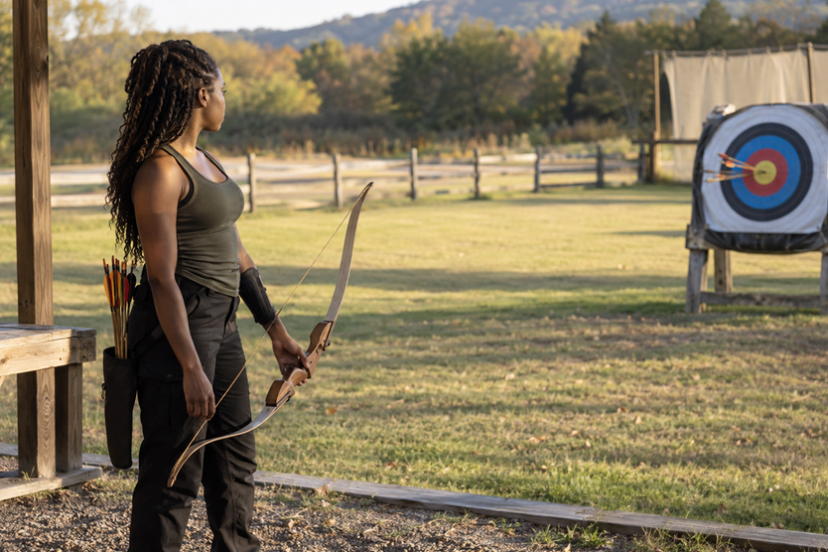
Fatigue can make an archer less consistent because it changes the small physical and mental actions that need to repeat from shot to shot.
As your shoulders, back, hands, and attention begin to tire, your shooting form may gradually change even though it feels as if you are doing the same thing. Your posture may soften, your bow arm may become less stable, your release may become more deliberate or rushed, and your ability to recognize a good shot may decrease.
That does not automatically mean something is wrong with your technique. Sometimes the inconsistency appearing late in a practice session is simply a sign that your ability to reproduce your normal shot has started to decline.
Understanding that distinction can prevent you from trying to fix equipment or rebuild your form when the real issue is fatigue.
Fatigue Often Appears Before You Feel Exhausted
You do not need to feel completely worn out for fatigue to affect your shooting.
In archery, relatively small changes can influence where an arrow lands. That means modest muscular or mental fatigue may become visible in your groups before you consciously feel especially tired.
An archer might notice that:
- groups gradually become wider
- arrows begin drifting in one direction
- the bow feels heavier than it did earlier
- holding steady becomes more difficult
- the release feels less natural
- concentration between shots becomes harder to maintain
The important clue is often the timing.
If your first several groups are reasonably consistent and your shooting becomes increasingly unpredictable later in the session, fatigue deserves consideration before you assume that your bow suddenly needs adjustment.
Your Shot Depends On More Than Arm Strength
Archery can look like a simple pulling motion, but a repeatable shot involves several parts of the body working together.
Your stance, posture, bow shoulder, drawing side, back tension, grip, anchor, and release all contribute to the shot.
When one area begins to tire, another part of the body may unconsciously compensate.
For example, an archer who is tiring may begin raising a shoulder, leaning slightly, squeezing the bow grip harder, collapsing during the shot, or shortening the draw.
Those adjustments may be subtle enough that the archer does not immediately recognize them.
This is one reason fatigue can be confusing: the arrows may show the effect before the archer clearly feels the cause.
Mental Fatigue Matters Too
Physical tiredness is only part of the picture.
Archery also requires repeated attention. You need enough concentration to approach each arrow deliberately rather than simply repeating motions because another arrow is ready to shoot.
As mental fatigue increases, an archer may start rushing.
The pause between arrows becomes shorter. Setup becomes less deliberate. Small details that were easy to notice at the beginning of practice receive less attention.
That can create a misleading situation in which the archer keeps shooting more arrows while getting less useful practice from them.
More shooting is not automatically better practice.
Once fatigue begins changing the quality of your shots, additional arrows may simply reinforce the altered version of your form.
A Widening Group Does Not Always Mean Your Equipment Changed
When arrows suddenly begin landing differently, equipment is an easy suspect.
Sometimes equipment really is responsible. Loose components, damaged arrows, changing brace height, or another setup issue can affect results.
But a pattern that appears mainly after extended shooting should not automatically lead to equipment adjustments.
If you change your sight, bow setup, or technique while fatigued, you may end up correcting for a temporary shooting change rather than a genuine equipment problem.
A useful question is:
Was this happening when I was fresh?
If the answer is no, stopping the session and checking again another day may provide more information than immediately changing the bow.
For archers who are still selecting an appropriate beginner setup, manageable draw weight also matters. A bow that is unnecessarily difficult to control can make fatigue arrive sooner and make learning repeatable form harder. The guide on how to choose your first recurve bow explains the broader considerations involved in choosing a beginner-friendly setup.
Fatigue Can Change What Good Form Feels Like
One of the more frustrating parts of fatigue is that changed form may begin to feel normal during the session.
Your body adapts.
A slightly different anchor position may no longer feel unusual. Increased grip pressure may go unnoticed. A shortened draw may still feel complete.
This is why simply telling yourself to “focus harder” does not always restore consistency.
The problem may no longer be attention alone. Your muscles may be losing their ability to comfortably reproduce the same movement.
At that point, ending or reducing the intensity of the practice session can be more productive than forcing yourself to keep shooting.
Beginners Can Mistake Fatigue For Poor Technique
New archers are especially likely to become confused when their shooting deteriorates during practice.
The session may begin well. Then groups open up.
The natural conclusion is often:
I’m doing something wrong.
Sometimes that is true, but not always.
A beginner is still developing both technique and the physical endurance required to repeat that technique. Those two things develop together.
This means a person can understand what good form should look like while still lacking the endurance to reproduce it for a long session.
Recognizing this can make practice more productive. Instead of judging the entire session by the least consistent arrows fired at the end, pay attention to when your shooting quality begins to change.
That point provides useful information.
Trying Harder Can Sometimes Make The Problem Worse
When groups start opening, many archers naturally increase effort.
They grip harder.
They hold longer.
They concentrate more aggressively on keeping the bow perfectly still.
Unfortunately, excessive effort can create even more tension.
Archery generally benefits from controlled, repeatable movement rather than maximum muscular force. When fatigue encourages an archer to compensate by becoming increasingly tense, the shot can become less natural and less repeatable.
The goal is not to overpower fatigue.
The goal is to recognize when fatigue is beginning to interfere with your normal shooting.
Shorter High-Quality Practice Can Be More Valuable
A useful archery session does not have to end only after you are exhausted.
For many recreational archers, consistency is better served by stopping while the majority of the session still reflects good shooting habits.
That does not mean every imperfect arrow requires quitting.
Occasional poor shots are normal.
What matters is recognizing a pattern. If control, concentration, or form continues deteriorating rather than recovering after a reasonable rest, the session may have reached the point of diminishing returns.
Practicing while reasonably fresh gives you more opportunities to reinforce the movements you actually want to repeat.
Pain Is Different From Normal Fatigue
Normal muscular tiredness and pain should not be treated as the same thing.
Fatigue may feel like gradually increasing effort, reduced steadiness, or difficulty maintaining normal form.
Sharp pain, sudden pain, numbness, unusual joint discomfort, or symptoms that persist should not simply be pushed through for the sake of finishing a practice session.
Stop shooting when pain affects your ability to control the bow safely.
If discomfort continues or you are unsure whether your technique is contributing to it, qualified coaching or appropriate medical guidance may be more useful than attempting to correct the problem through trial and error.
Consistency Includes Knowing When Your Form Is Fading
Archery consistency is not just about producing tight groups.
It is also about recognizing the conditions that allow you to produce your normal shot repeatedly.
Fatigue changes those conditions.
When you begin to understand how your own shooting looks and feels when you are fresh compared with when you are tiring, inconsistent arrows become easier to interpret.
A late-session group that begins spreading does not automatically mean your technique has suddenly failed or your equipment needs adjustment.
Sometimes it simply means the useful portion of that practice session is ending.
Recognizing that point allows you to protect good habits, maintain better control, and return to the range ready to practice the shot you actually want to repeat.